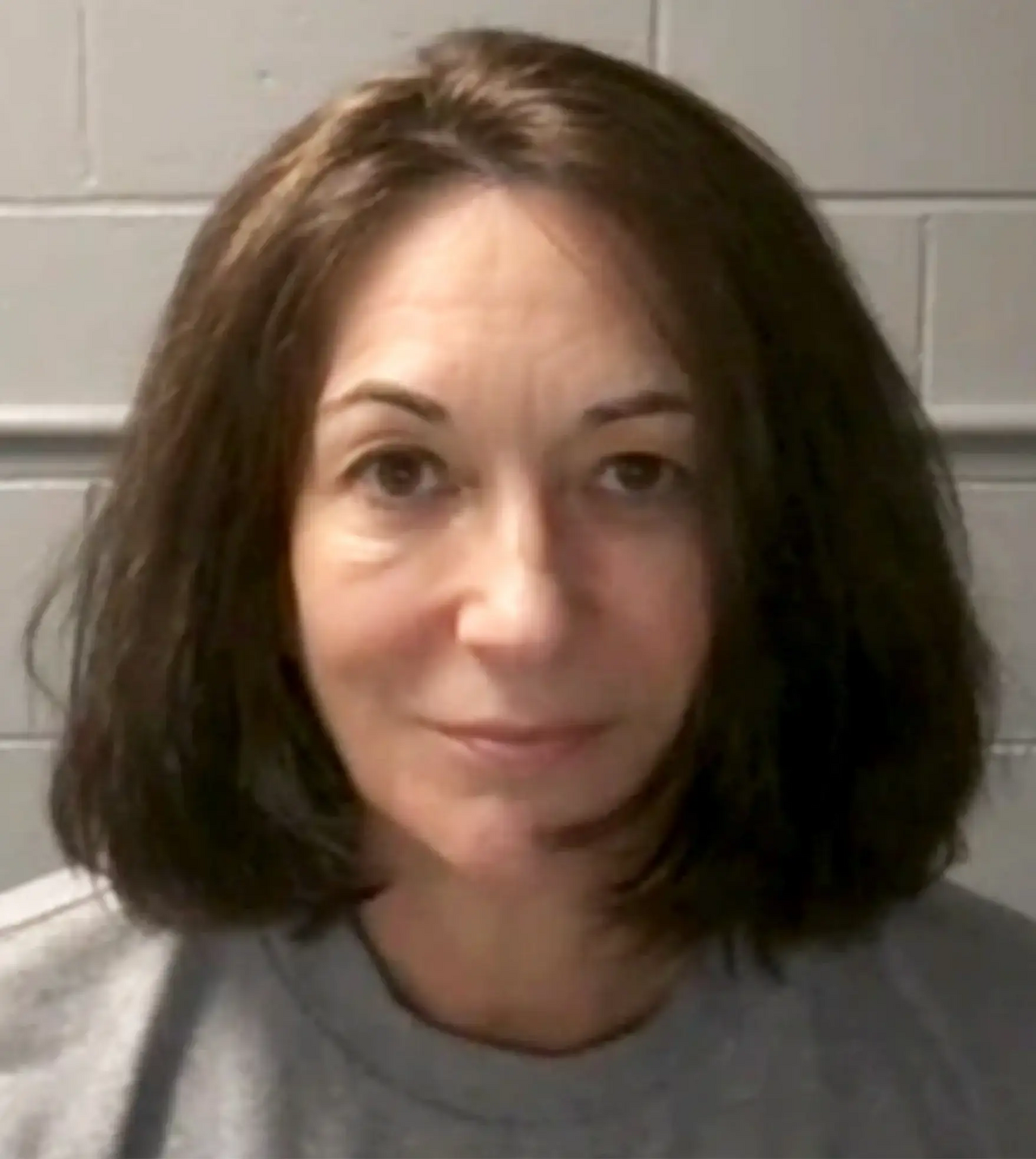
Epstein Inquiry: Why Was Ghislaine Maxwell at Chelsea Clinton's Wedding?
The long shadow of Jeffrey Epstein's vast and disturbing network continues to cast its influence over high-profile individuals, bringing unexpected connections into the public spotlight. One such revelation that has sparked considerable interest and further fueled the ongoing inquiry is the presence of Ghislaine Maxwell, Epstein's former associate and convicted sex trafficker, at Chelsea Clinton's wedding in 2010. This detail, disclosed by former Secretary of State Hillary Clinton, has become a focal point for investigators seeking to understand the full extent of Epstein's reach and the nature of his associates' relationships with powerful figures. The question of "chelsea clinton hochzeit maxwell" (Chelsea Clinton's wedding, Maxwell) has moved from a speculative whisper to a key line of inquiry in the wider investigation into Epstein's activities and the systemic failures that allowed them to persist for so long.
The Unforeseen Guest: Ghislaine Maxwell at Chelsea Clinton's Wedding
Chelsea Clinton, daughter of former President Bill Clinton and former Secretary of State Hillary Clinton, married investment banker Marc Mezvinsky on July 31, 2010. The grand event, held at the picturesque Astor Courts Estate in Rhinebeck, New York, was a star-studded affair with over 400 guests. It was a moment of celebration for the Clinton family, marking a personal milestone that, at the time, seemed far removed from any future scandal. However, over a decade later, the guest list of this private ceremony would come under intense scrutiny, particularly regarding one attendee: Ghislaine Maxwell.
During a closed-door deposition on February 26, Hillary Clinton addressed questions about her family's connections to the late sex offender Jeffrey Epstein. It was here that she confirmed Maxwell's attendance at her daughter’s wedding. Clinton clarified that Maxwell "came as the plus-one, the guest of someone who was invited," rather than being a direct invitee herself. Crucially, Clinton did not disclose the identity of the guest who extended the invitation to Maxwell. This detail has only deepened the mystery, prompting further speculation and a desire for transparency regarding Maxwell's access to elite social circles. For more on this specific revelation, you can read
Hillary Clinton Reveals Ghislaine Maxwell Was Chelsea's Wedding "Plus-One".
At the time of the wedding in 2010, Ghislaine Maxwell had already been named in a civil lawsuit filed by Virginia Giuffre, a key accuser of Jeffrey Epstein. This timeline adds another layer of complexity to the situation, highlighting that Maxwell's questionable associations were, to some extent, already in the public domain before her appearance at such a high-profile event.
Unraveling the Connections: The Broader Epstein Inquiry
The depositions of both Hillary and Bill Clinton before the House Oversight and Government Reform Committee are part of a broader, intensified inquiry into Jeffrey Epstein's financial dealings and the powerful social network he cultivated. Republican Representative James Comer, leading the House committee, has explicitly stated that lawmakers aim to understand how Epstein amassed his wealth and built connections with numerous rich and powerful individuals. The committee's questions extended directly to the Clinton family, probing why Epstein reportedly raised money for the Clinton family foundation and why Ghislaine Maxwell attended the Chelsea Clinton wedding.
Comer highlighted specific instances of Epstein's proximity to power, noting his 17 visits to the White House during Bill Clinton's presidency and Bill Clinton's 27 flights on Epstein's private plane after leaving office. These details underscore the committee's focus on mapping Epstein's influence and the extent of his interactions with high-level political figures.
Hillary Clinton, for her part, maintained that she did not know Epstein and never flew on his plane. She characterized the House lawmakers' subpoenas as a "fishing expedition," suggesting that the focus should instead be on Justice Department officials who, in her view, failed to adequately prosecute Epstein. Clinton's pointed questions—"What is being held back? Who is being protected? And why the cover-up?"—reflect a narrative of systemic failure and potential obstruction that extends beyond her family's connections.
The broader context of the Epstein inquiry also involves the Justice Department's review of the so-called "Epstein files." While approximately 3 million of 6 million pages have been released following a legal mandate, U.S. Deputy Attorney General Todd Blanche has stated the review is complete. Despite bipartisan pressure, President Donald Trump, during his term, expressed a desire for America to "move on" from the issue, illustrating the complex political dynamics surrounding these sensitive documents.
Public Perception and Political Scrutiny
The revelation of Ghislaine Maxwell's attendance at Chelsea Clinton's wedding, even as a "plus-one," resonates strongly with the public and political observers for several reasons. It symbolizes the often-unseen interconnections within elite circles and raises questions about vetting processes for high-profile events. In a world where perceptions can significantly impact public trust, any association, however peripheral, with figures like Epstein and Maxwell becomes a subject of intense scrutiny.
Understanding the "chelsea clinton hochzeit maxwell" connection goes beyond mere curiosity; it speaks to the broader implications of how powerful individuals navigate their social lives and the potential blind spots that can emerge. It highlights the challenges faced by public figures whose past associations are retroactively examined through the lens of grave criminal allegations. While the Clintons have asserted their lack of direct knowledge regarding Maxwell's nefarious activities, the event serves as a stark reminder of the permeable boundaries between social gatherings and significant investigations. This situation also brings to light the ethical dilemma that can arise when a guest at a celebratory event is simultaneously embroiled in serious legal proceedings, a point further elaborated in articles like
Ghislaine Maxwell: Attending Chelsea Clinton's Wedding, Not Deposition.
The ongoing inquiry demands not just answers about specific guest lists but a comprehensive look at the ecosystem that enabled Epstein's crimes. It compels a deeper examination of how individuals with deeply troubling backgrounds gained access to, and even acceptance within, some of the world's most influential circles.
Navigating High-Stakes Inquiries: Key Takeaways
Complex investigations, especially those involving powerful figures and widespread criminal networks like Epstein's, present unique challenges. Here are some insights from the ongoing inquiry:
* **Distinguishing Associations:** It's crucial to differentiate between direct, knowing involvement and incidental, peripheral association. While a "plus-one" invitation might suggest a less direct connection, the context of Maxwell's ongoing legal issues at the time complicates the narrative.
* **The Power of Retrospective Scrutiny:** Events that seemed innocuous at the time can take on entirely new meanings when viewed through the lens of later revelations. Public figures must contend with the fact that their past social interactions can be endlessly re-examined.
* **Transparency and Accountability:** The public and investigative committees continually press for full transparency regarding who knew what, and when. The absence of specific details, such as the identity of the guest who invited Maxwell, often fuels further speculation and mistrust.
* **Systemic Failures:** The inquiry often uncovers not just individual misconduct but also broader systemic failures within legal institutions, law enforcement, and even social gatekeepers that allowed criminal enterprises to flourish.
* **Due Process and Fair Investigation:** While public interest is high, it's vital for investigations to adhere to due process, focusing on verifiable facts and avoiding sensationalism or unproven accusations, to ensure justice is served.
Ultimately, the focus on the Chelsea Clinton wedding and Ghislaine Maxwell's attendance underscores a wider societal demand for accountability from those in positions of power and influence. It highlights the persistent effort to understand the full scope of Jeffrey Epstein's operations and the network that sustained him.
Conclusion
The question of why Ghislaine Maxwell was at Chelsea Clinton's wedding remains a significant thread in the intricate tapestry of the ongoing Epstein inquiry. Hillary Clinton's explanation of Maxwell attending as a "plus-one" has provided some clarity, yet the unanswered question of who extended that invitation continues to fuel public and political interest. This detail serves as a potent reminder of the unforeseen connections within elite social circles and the intense scrutiny that ensues when such ties are revealed in the context of grave criminal activities. As investigations continue to unravel the complexities of Jeffrey Epstein's network, every piece of information, no matter how seemingly minor, contributes to the broader understanding of a case that has shocked the world and demanded greater transparency and accountability from all involved.